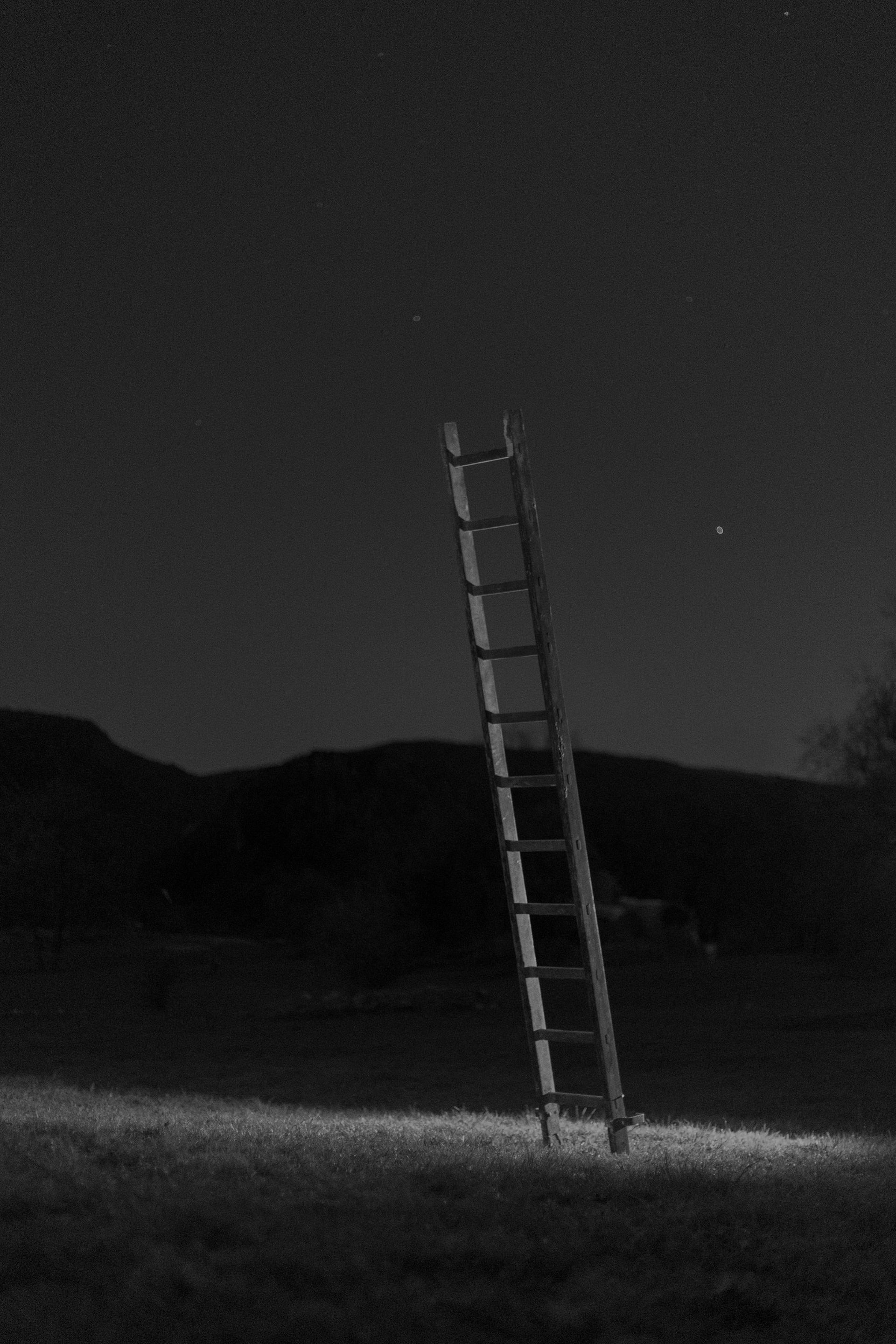
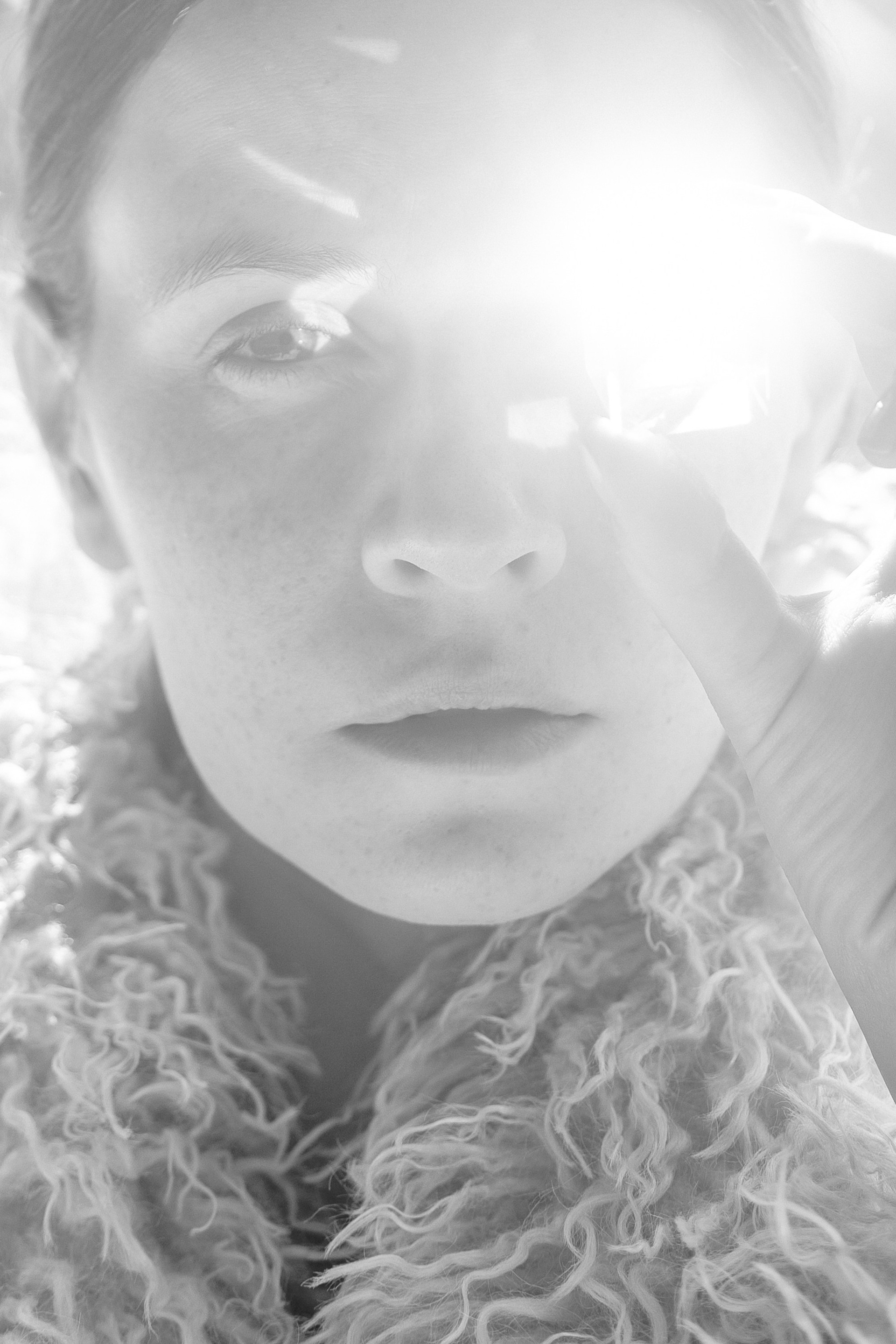
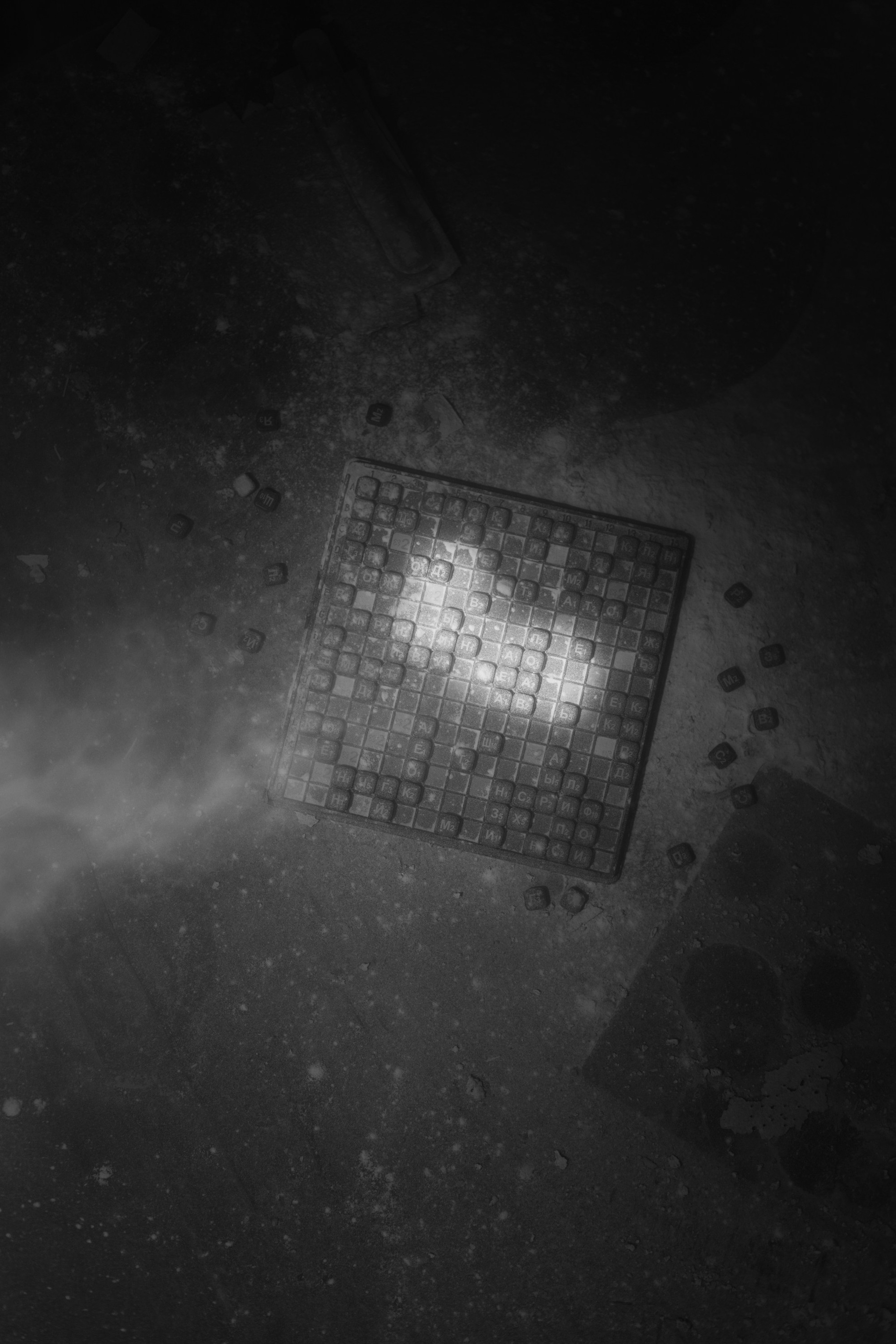
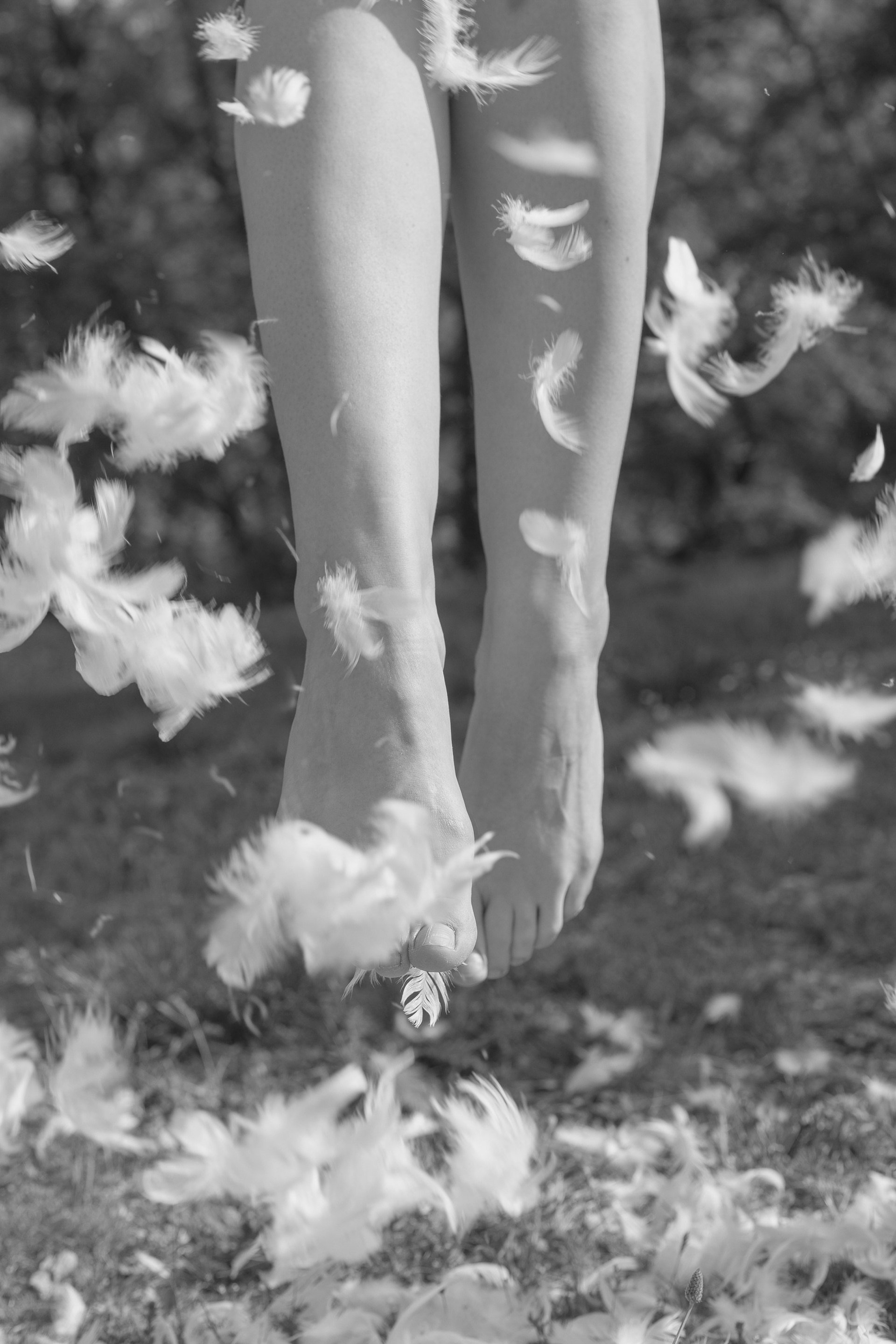
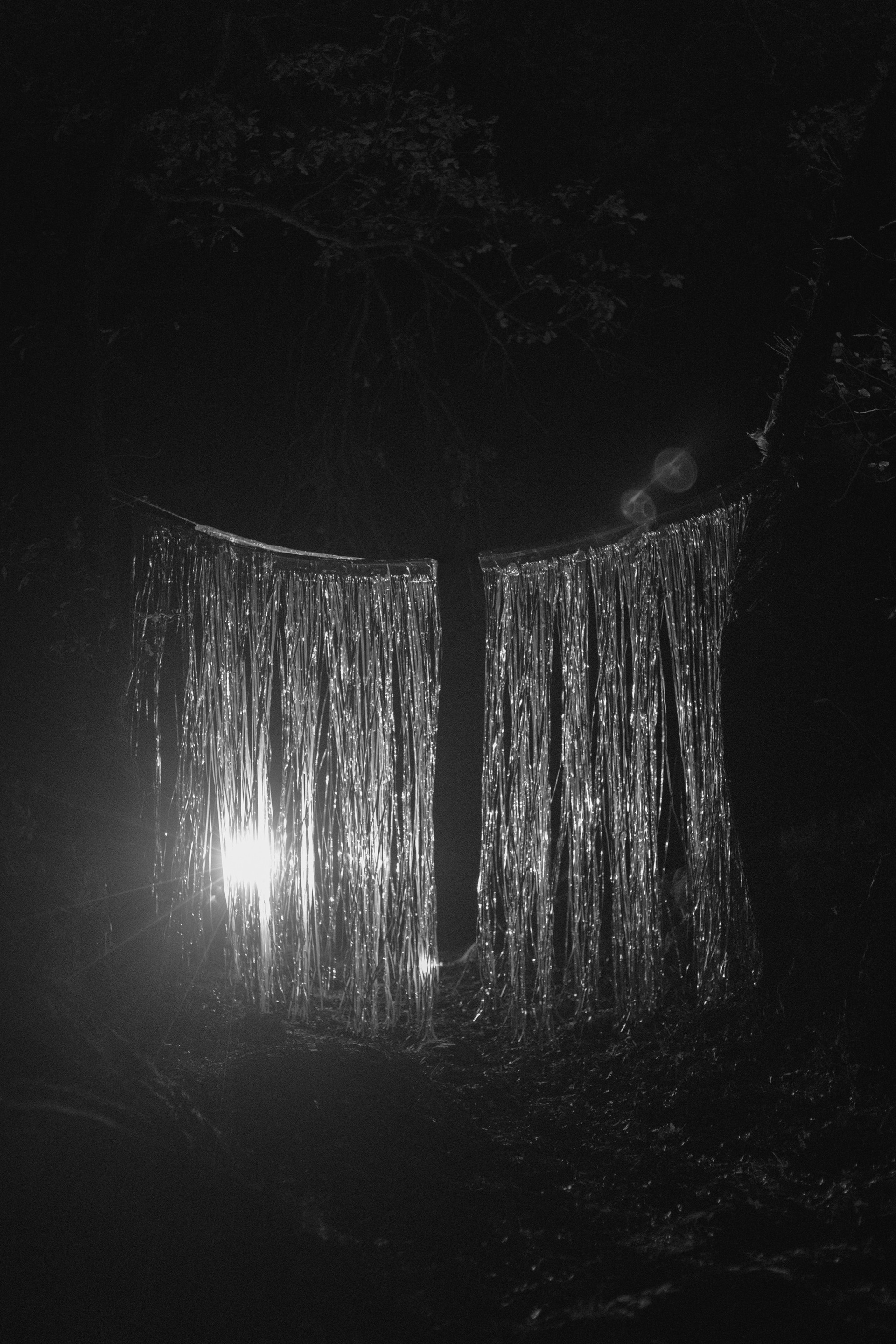
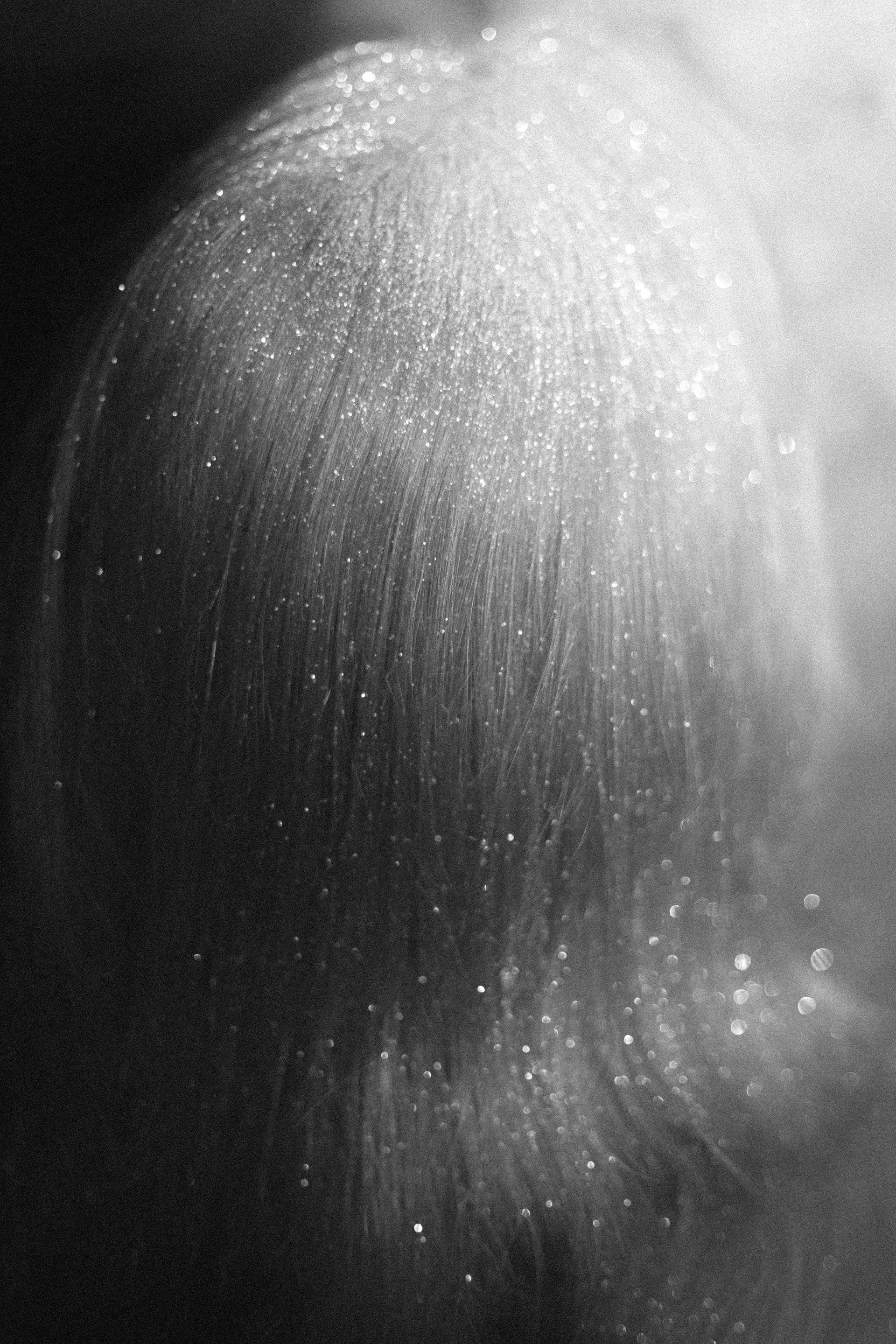
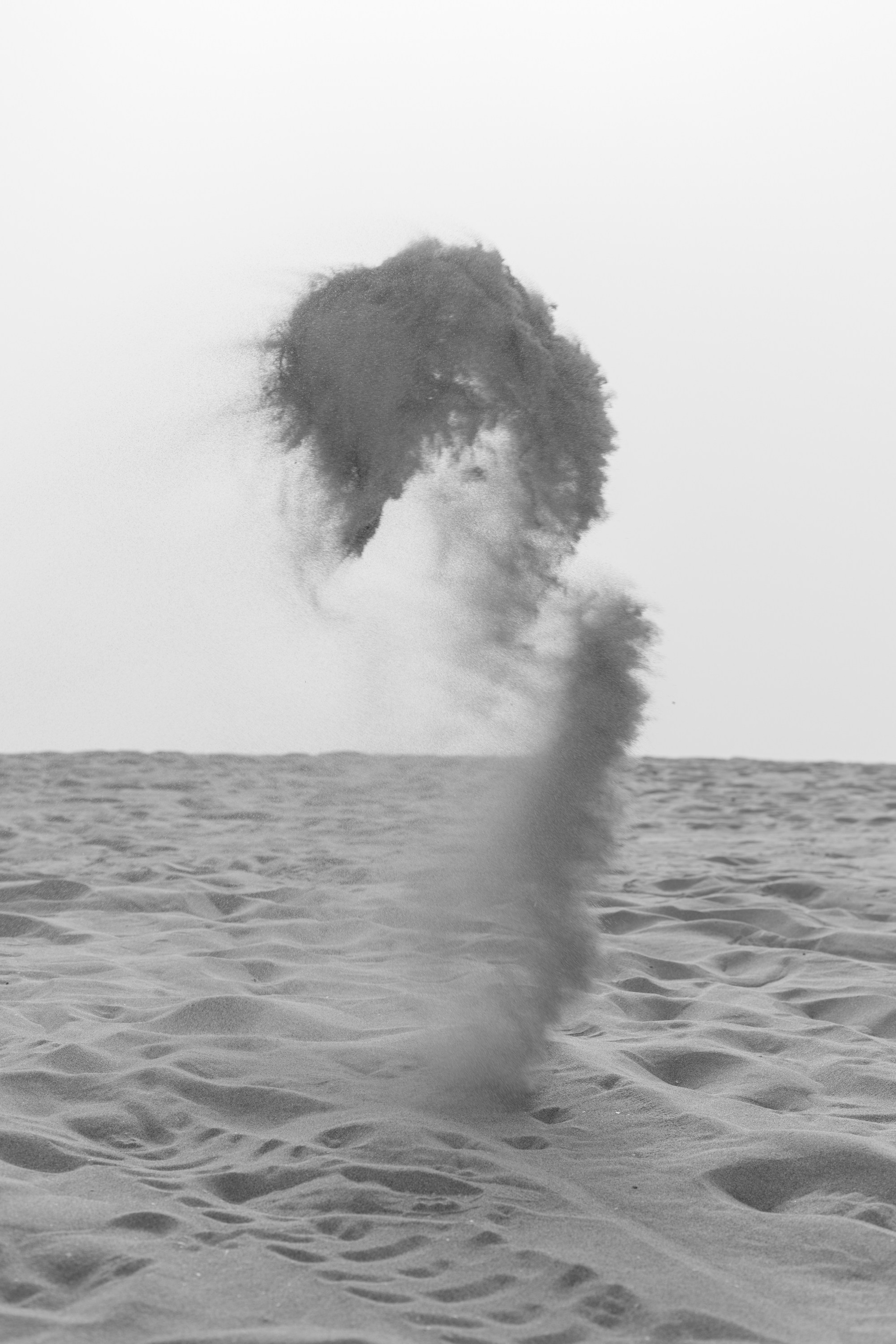
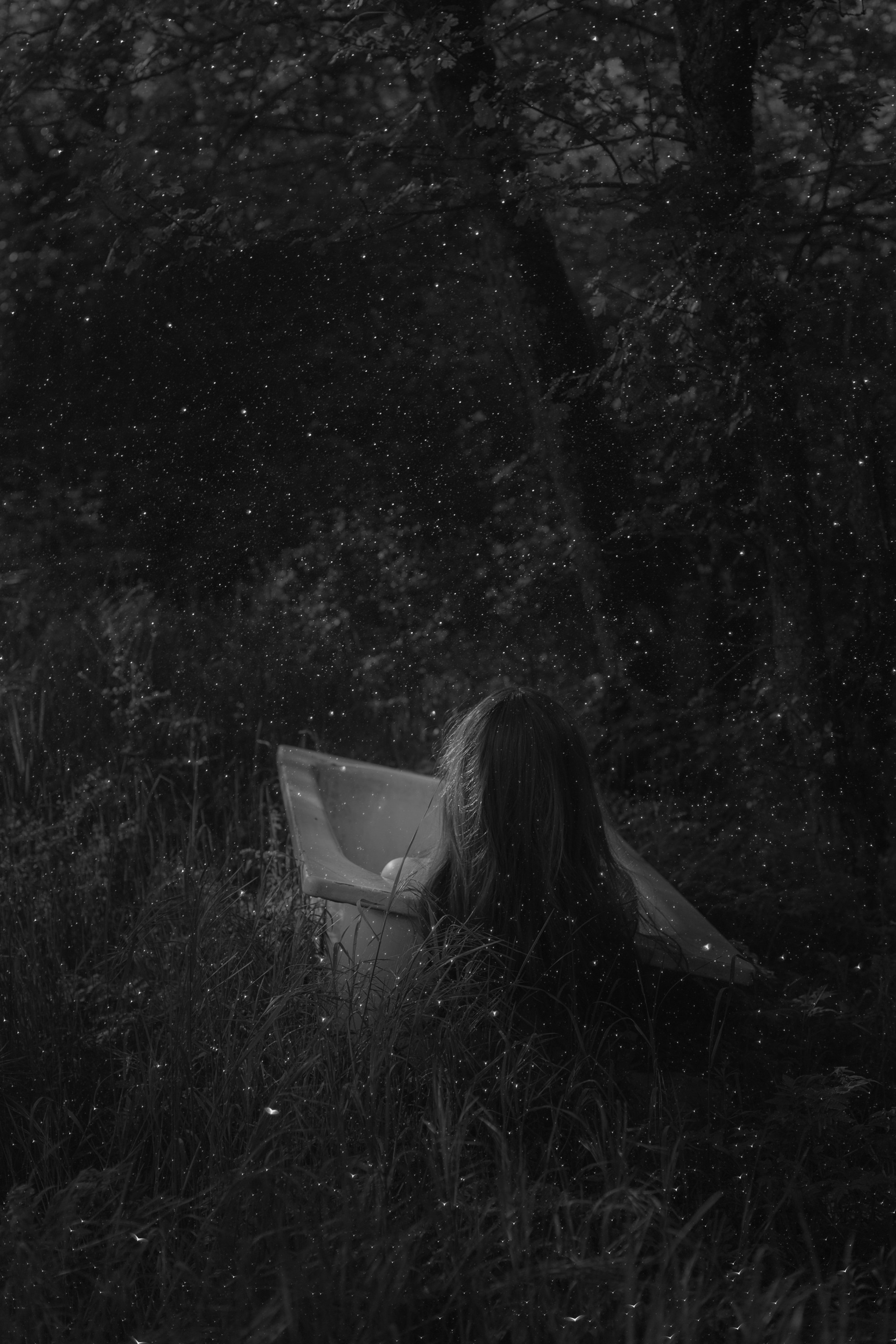
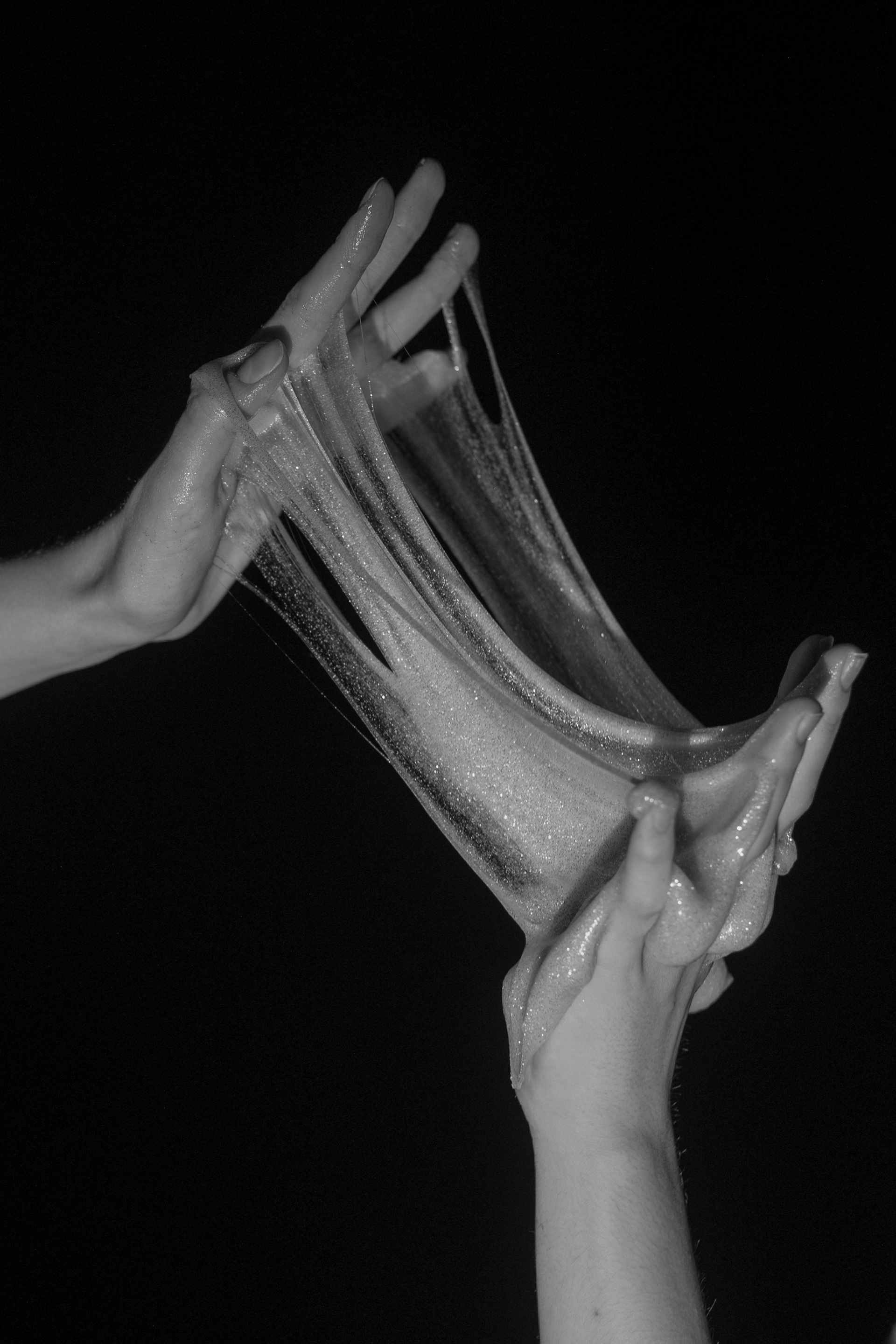
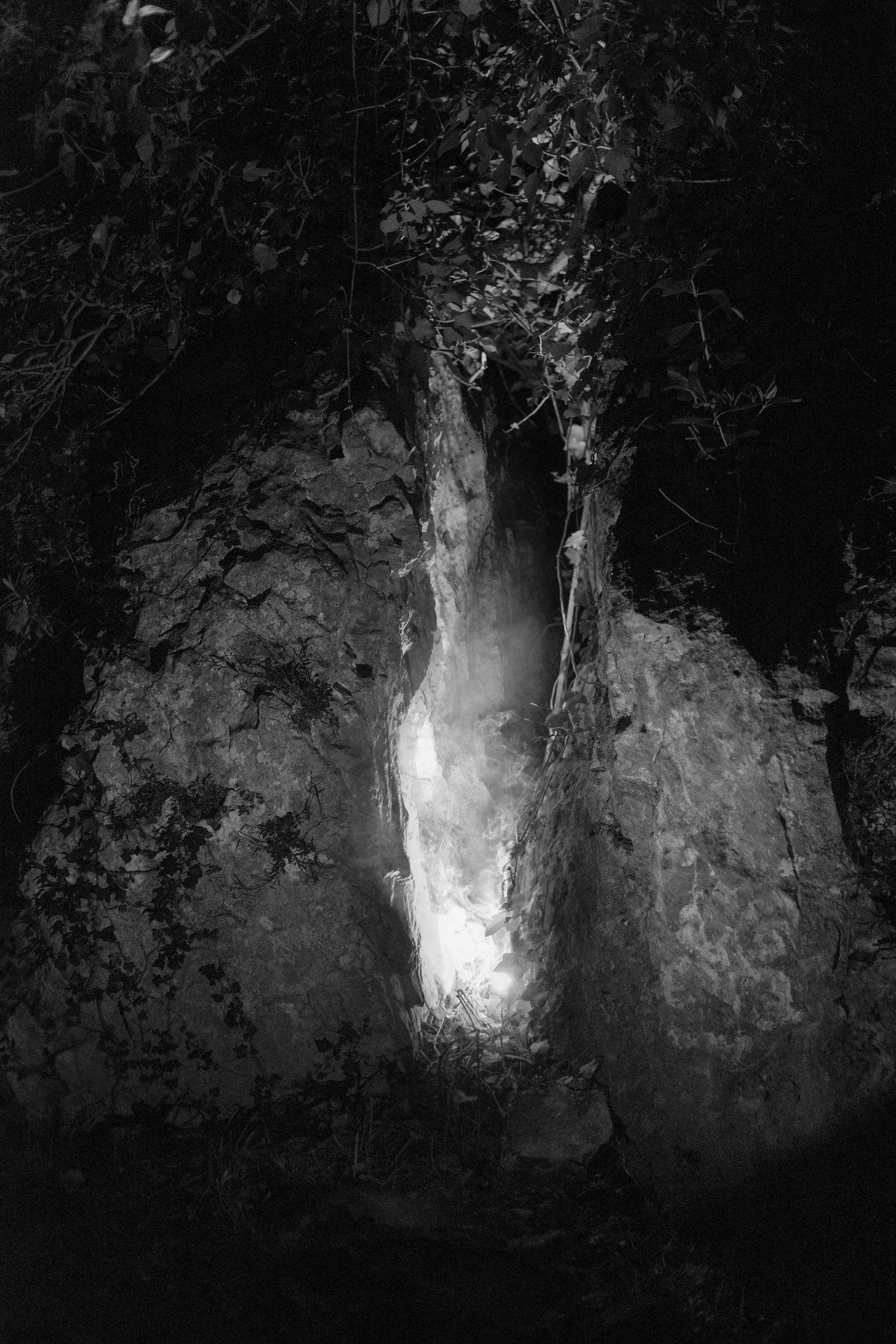
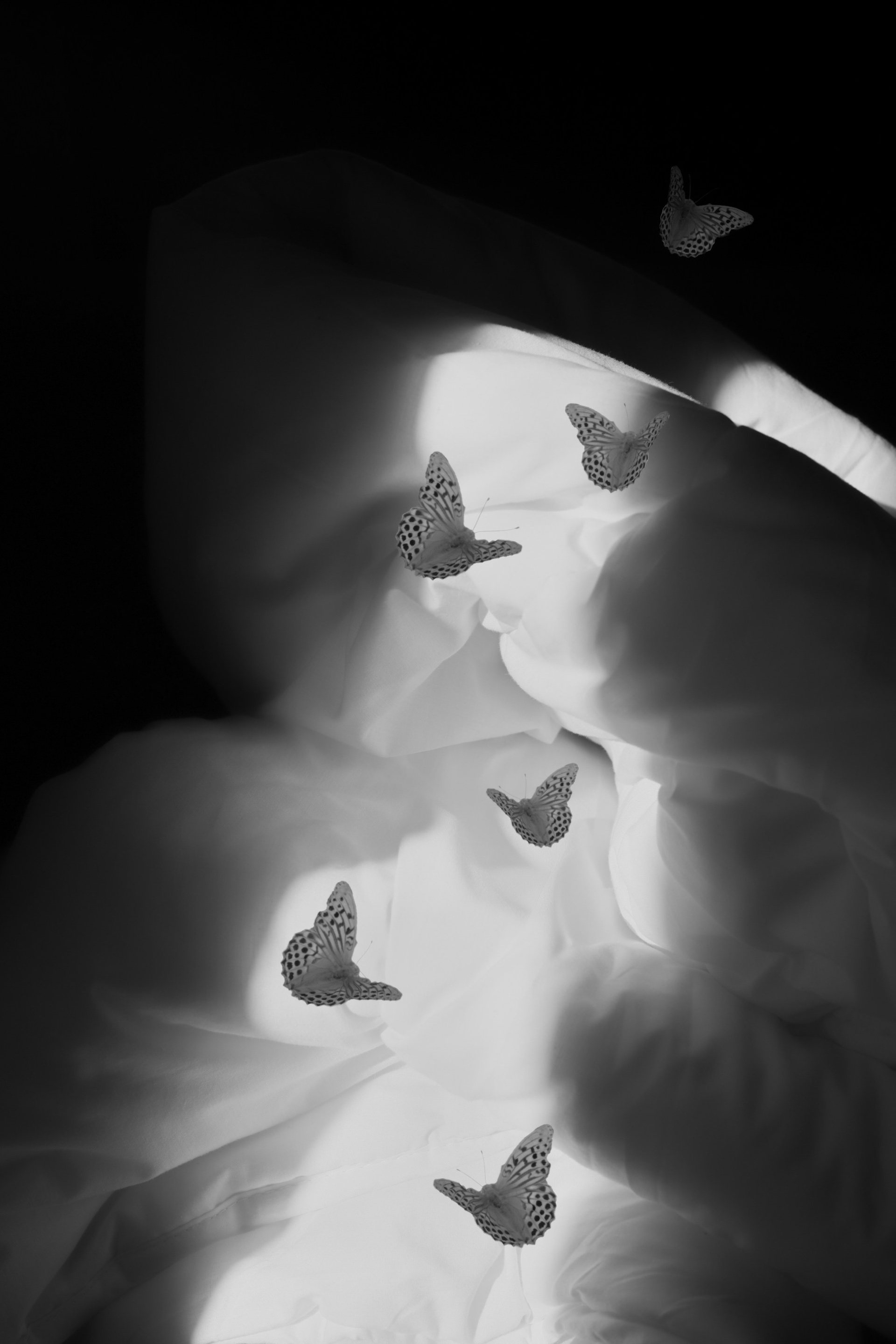
“Svetlana” explores the transformation of grief after my mother’s death — from a sense of definitive rupture to a subtler way of remaining connected to her.
My mother was a scholar of Vladimir Nabokov’s work. When she passed away, the writer’s perception of death became a source of solace for me.
Nabokov did not oppose death to life. In his vision, death is not an end but a door into another dimension — a magical reality for which life was merely a preparation. He saw dying as a metamorphosis, in which the chrysalis of the body finally transforms into a butterfly. Nabokov’s otherworld is a realm of light, a landscape of luminous spaces and shimmering spheres.
My mother’s name, Svetlana, means “light, ” and I embrace this coincidence as a guide for my visuals. I employ flashes, glimmers, and reflections as a system of signals — a distinct language to reach an invisible dimension. Through staged scenes and collages, I visualize moments when this magical space briefly shimmers through everyday reality.
Turning toward light transforms my grief into a living bond with my mother, guiding me out of mourning into a restored capacity for love and gratitude.