

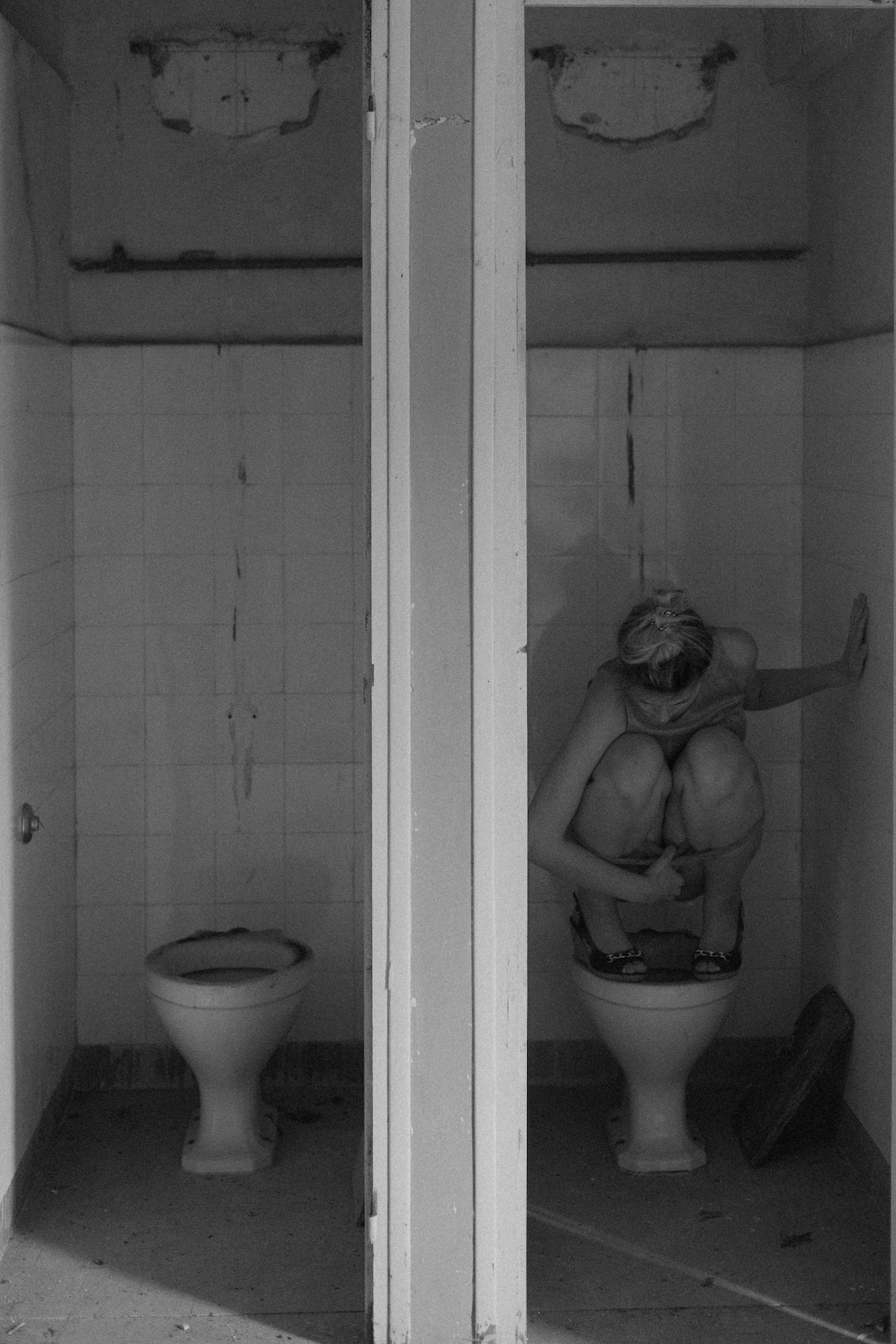
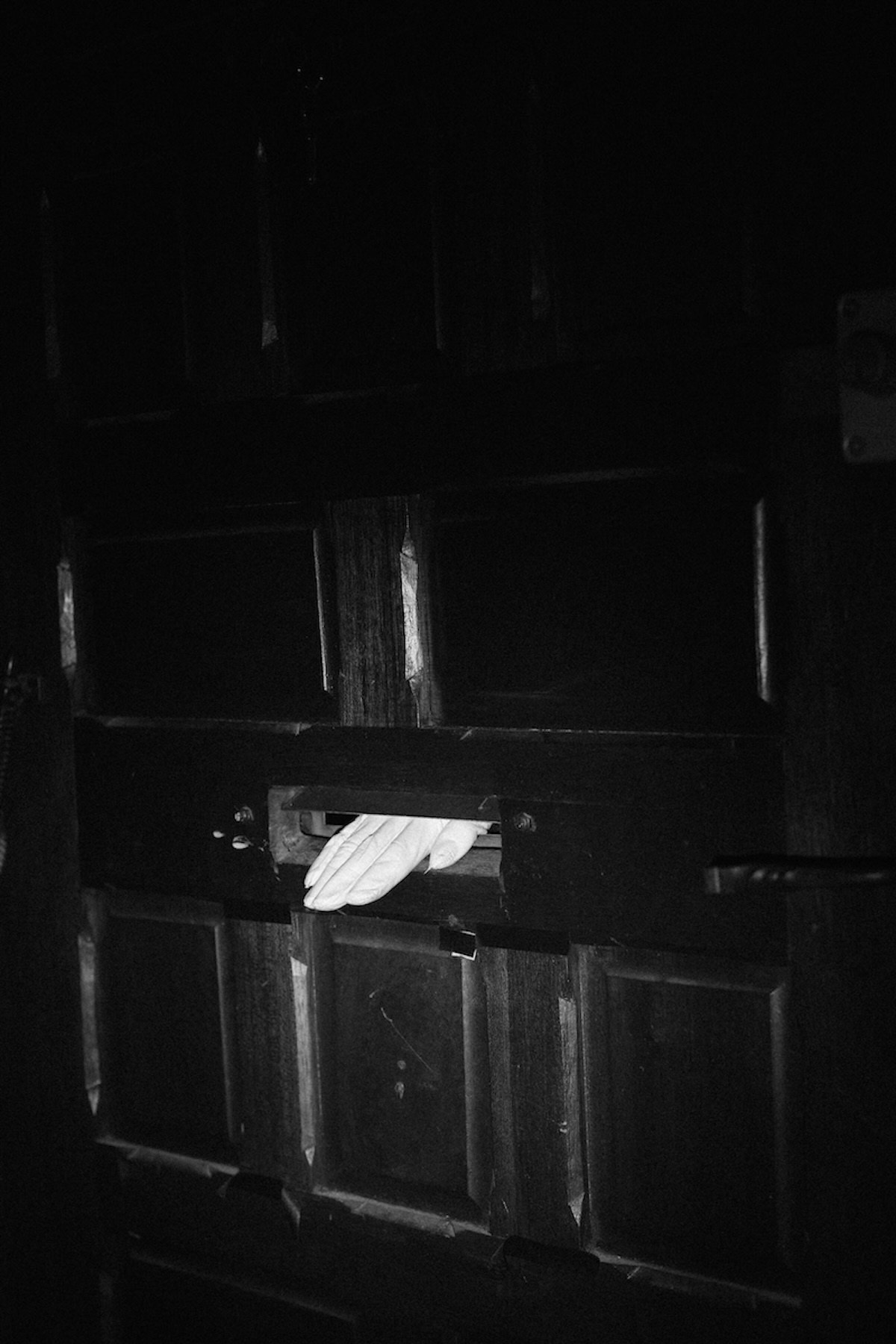
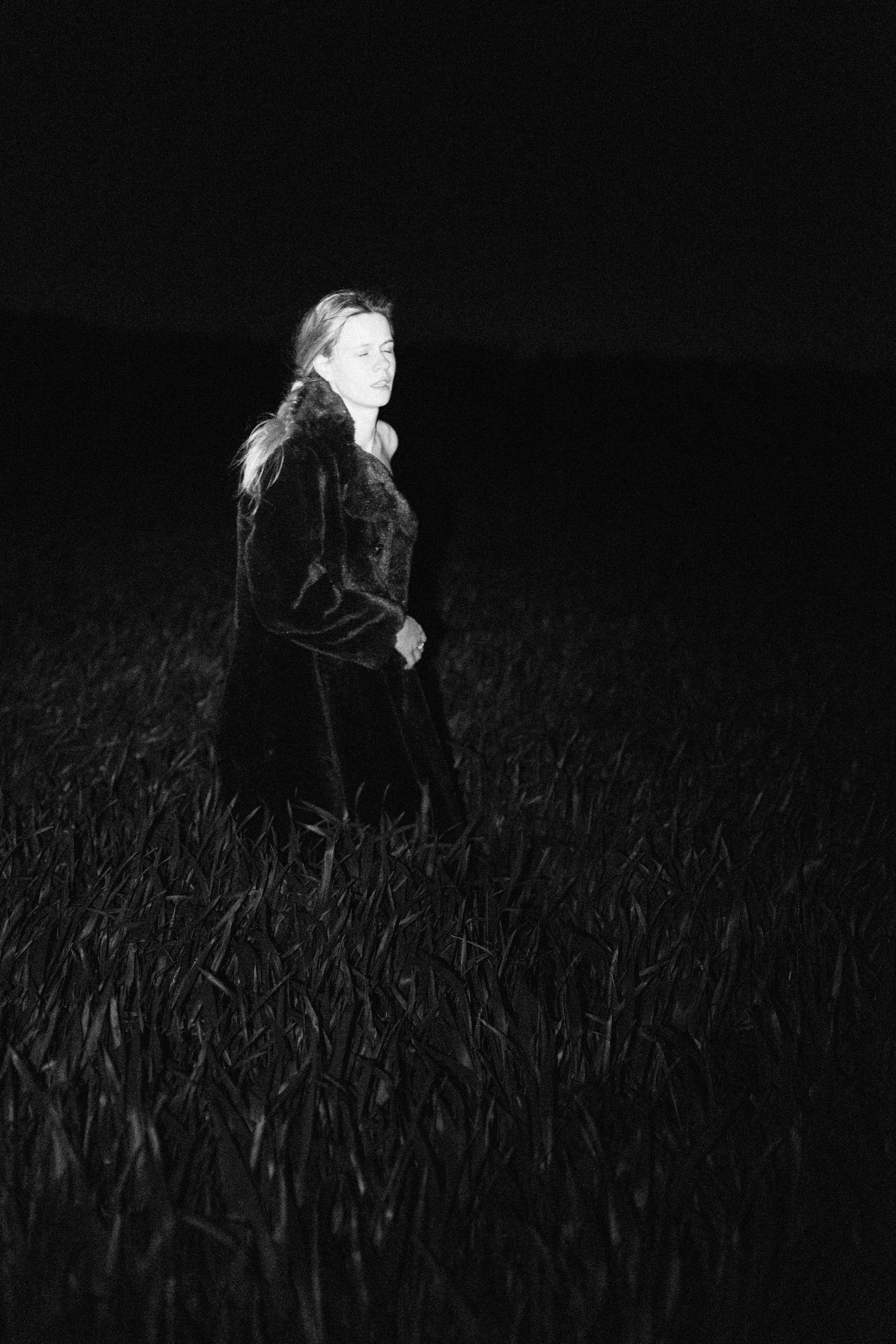

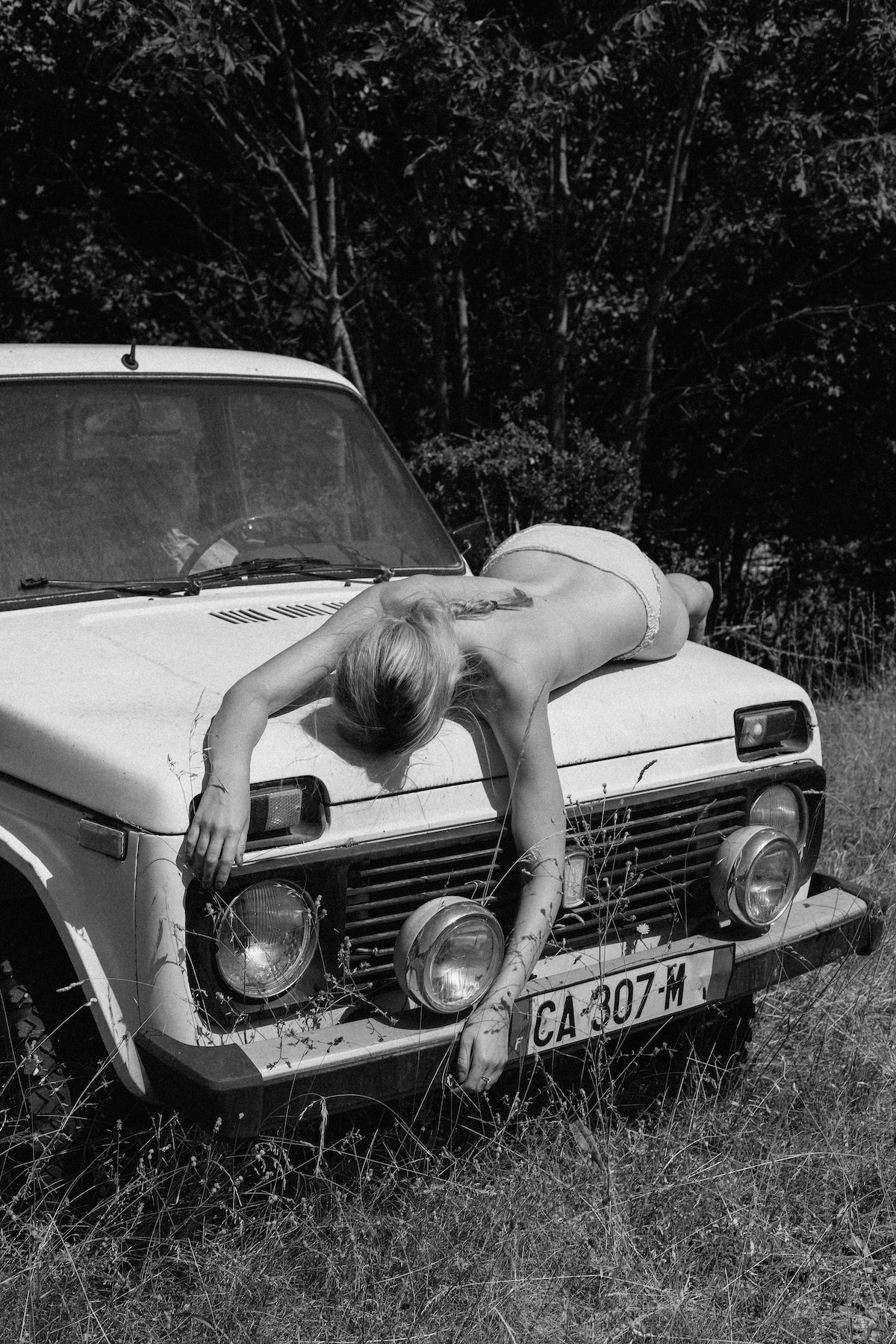
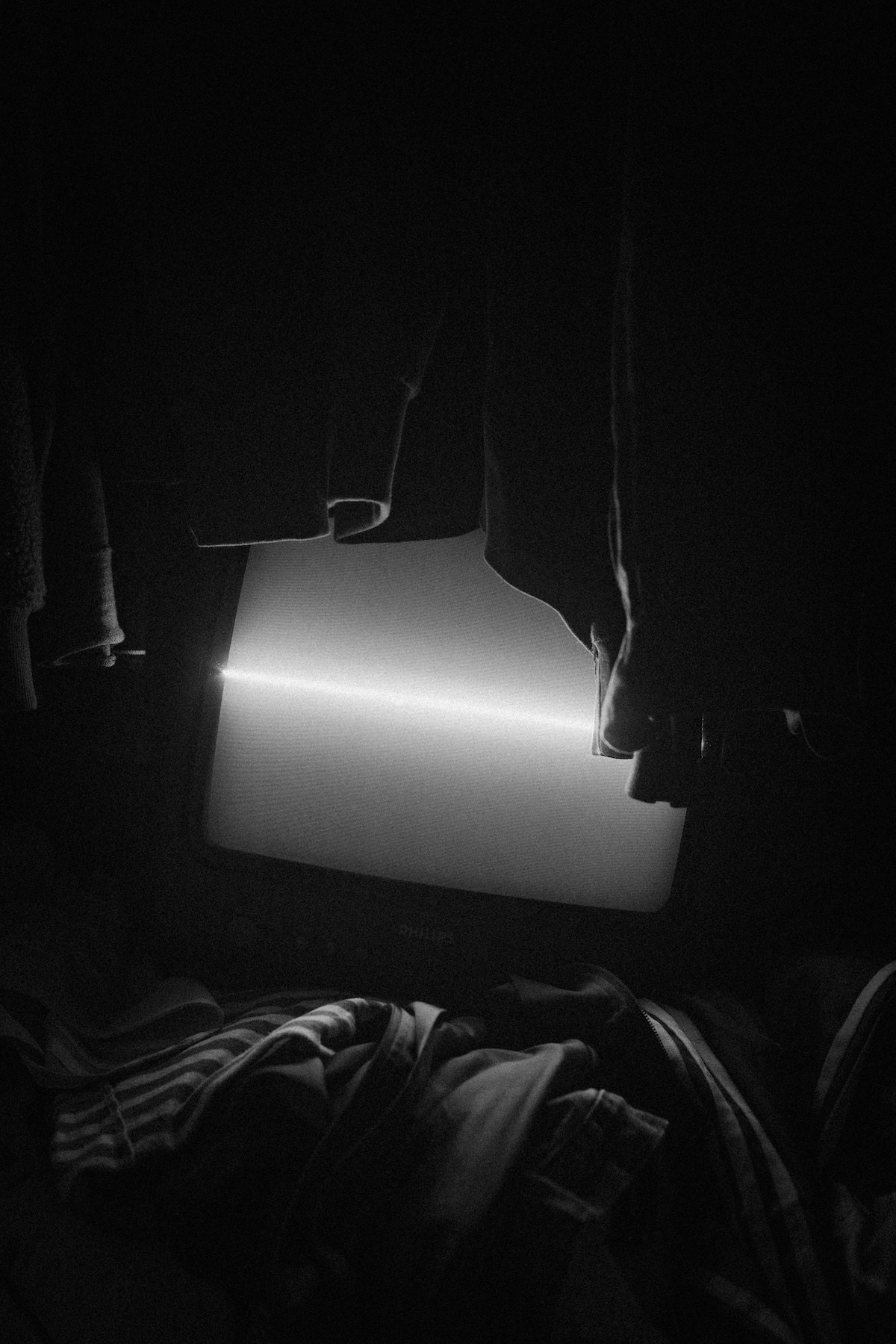
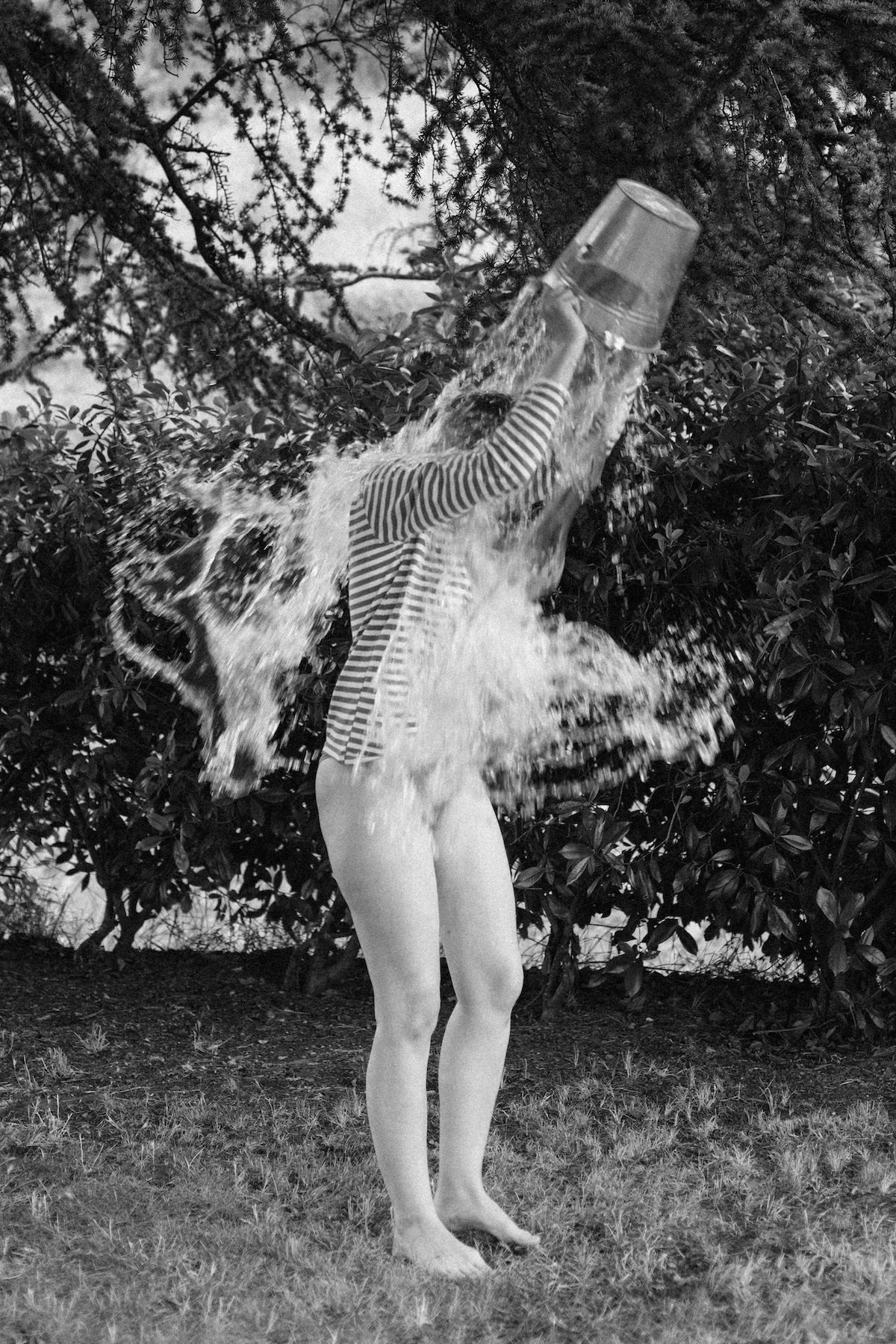

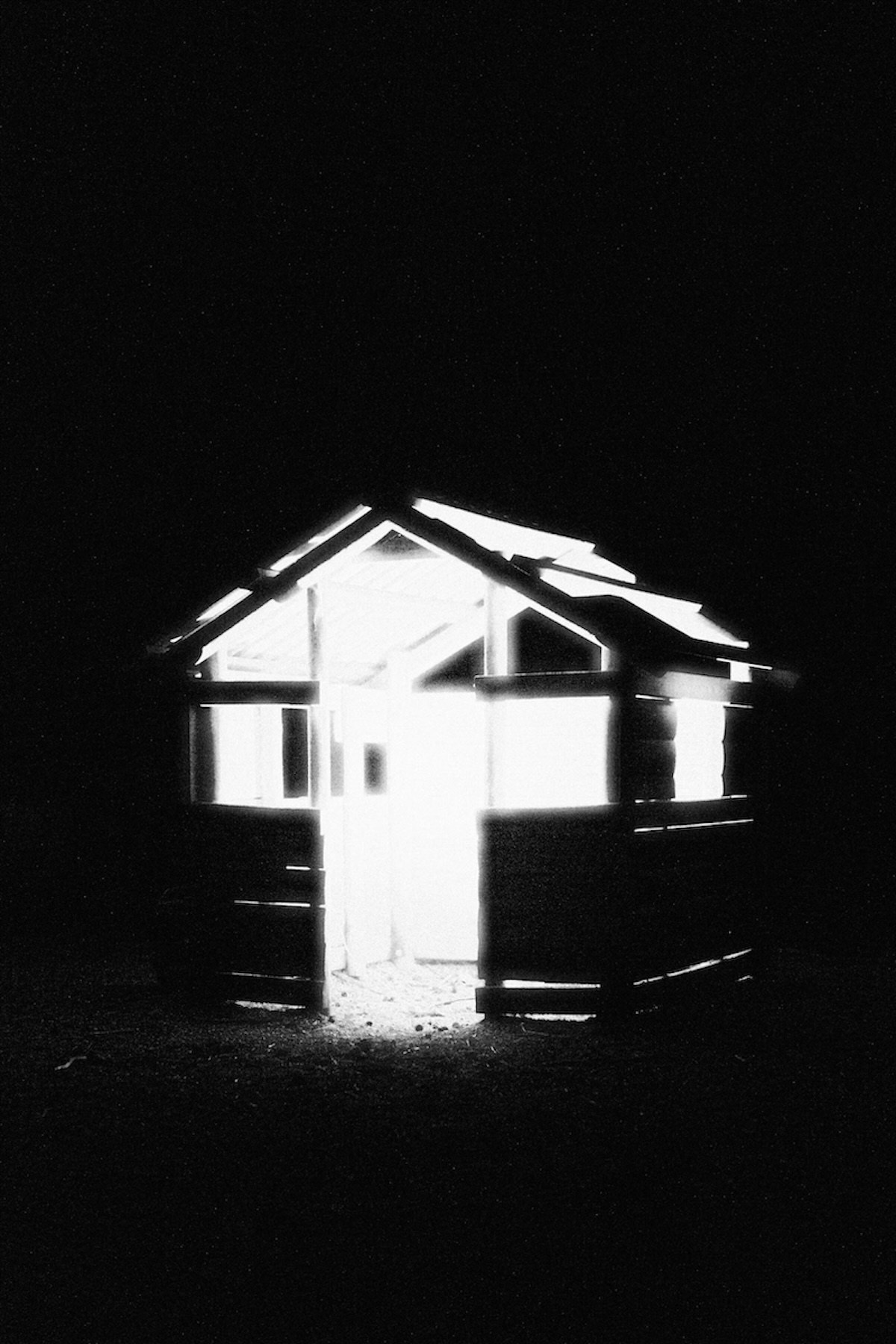
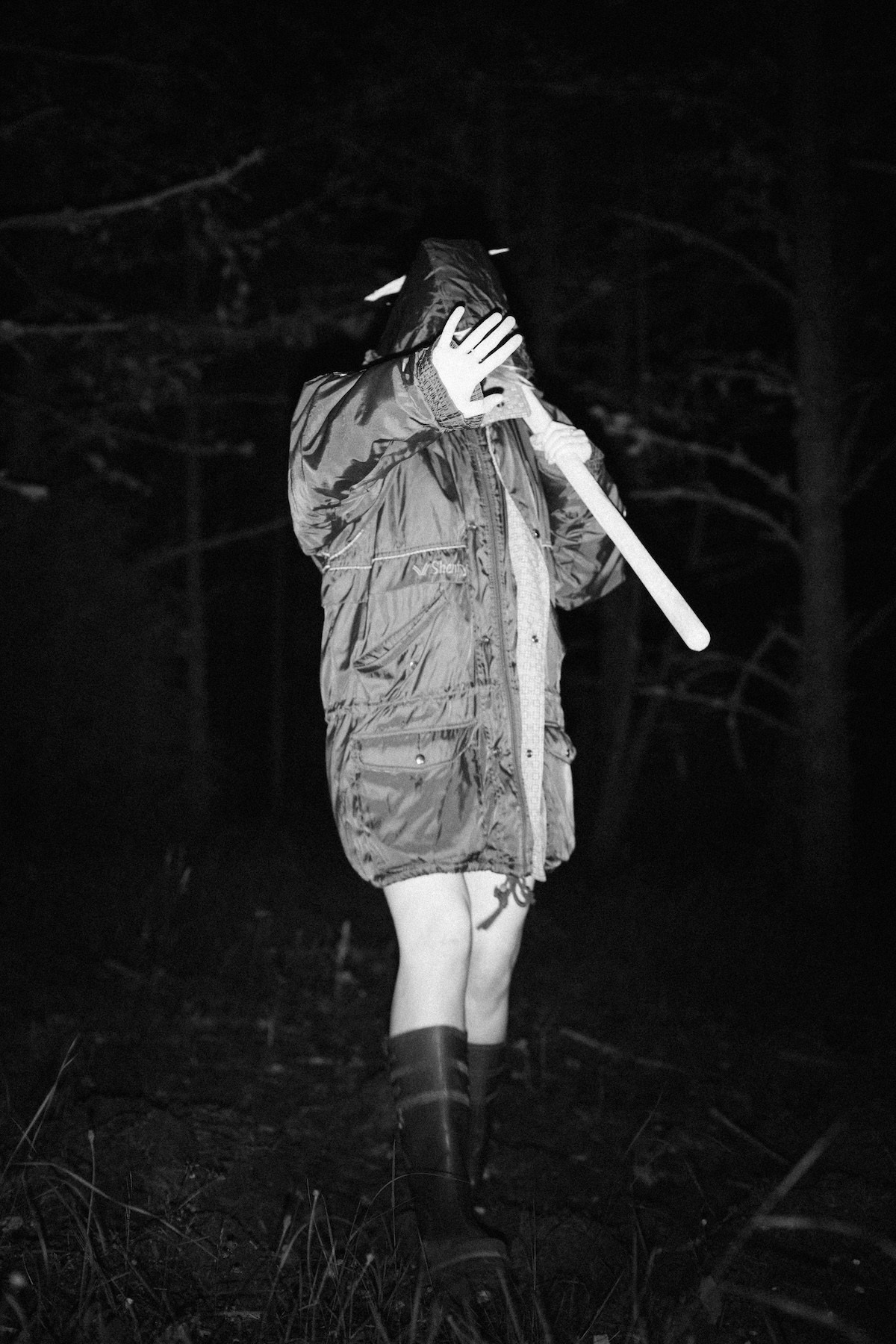
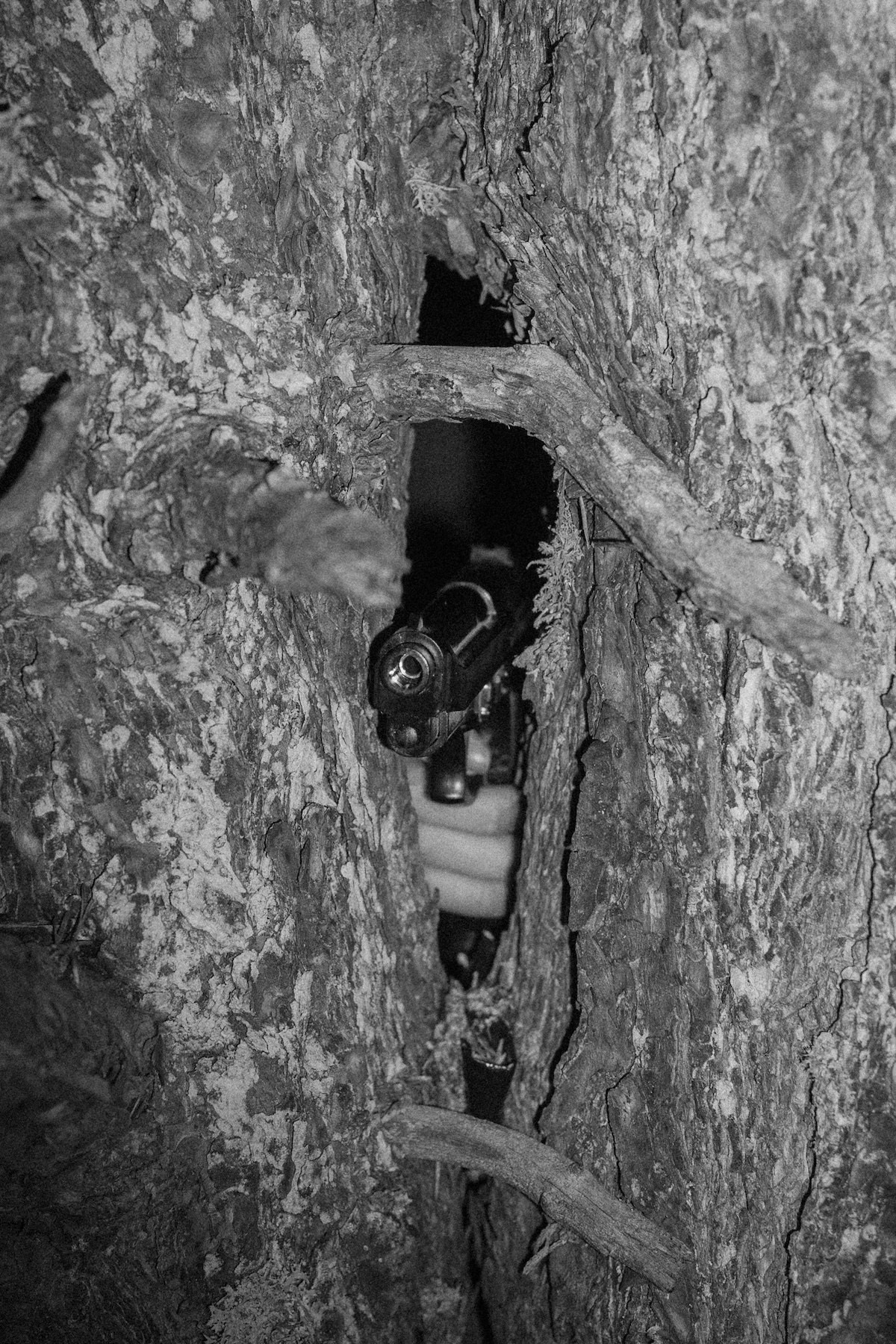
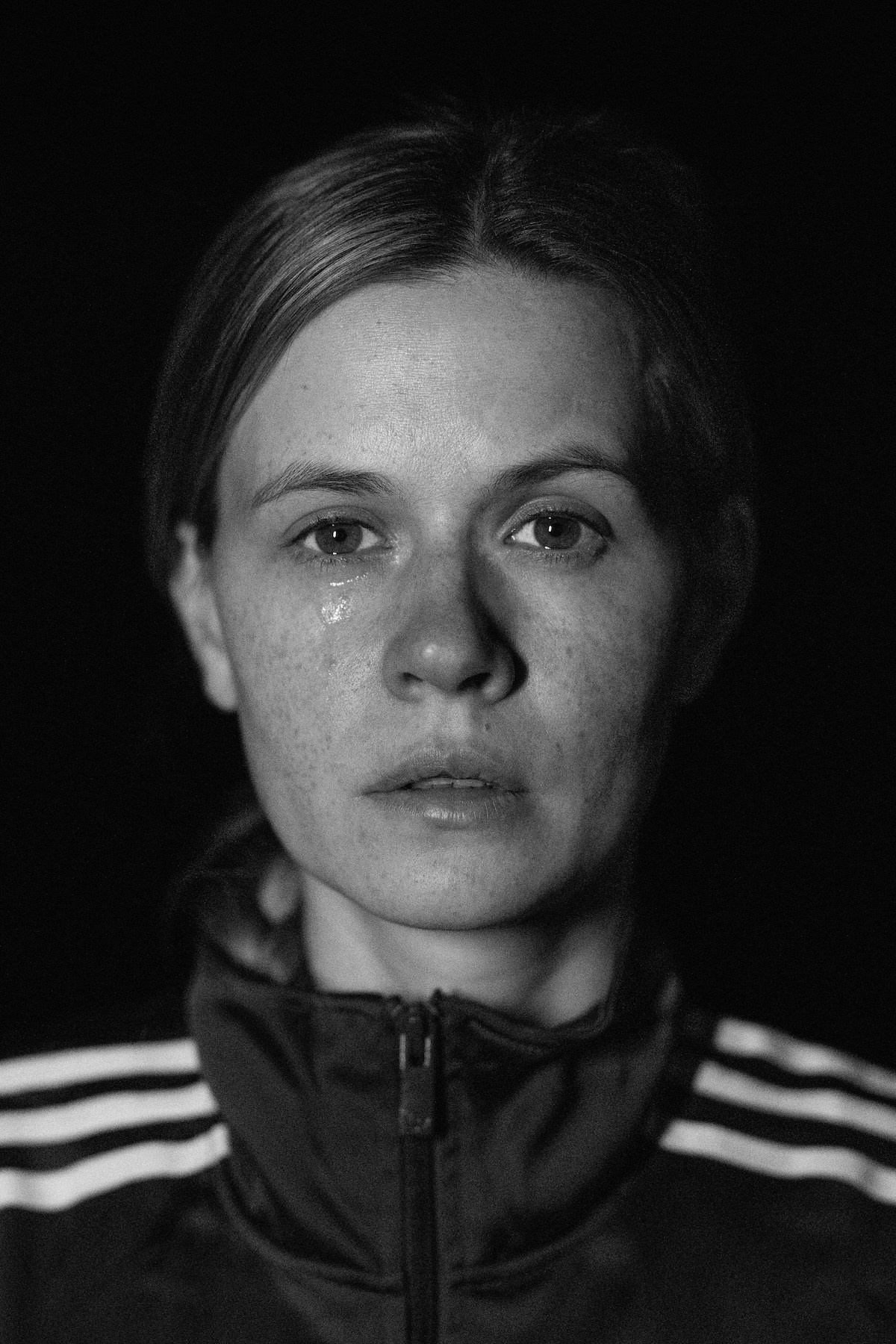
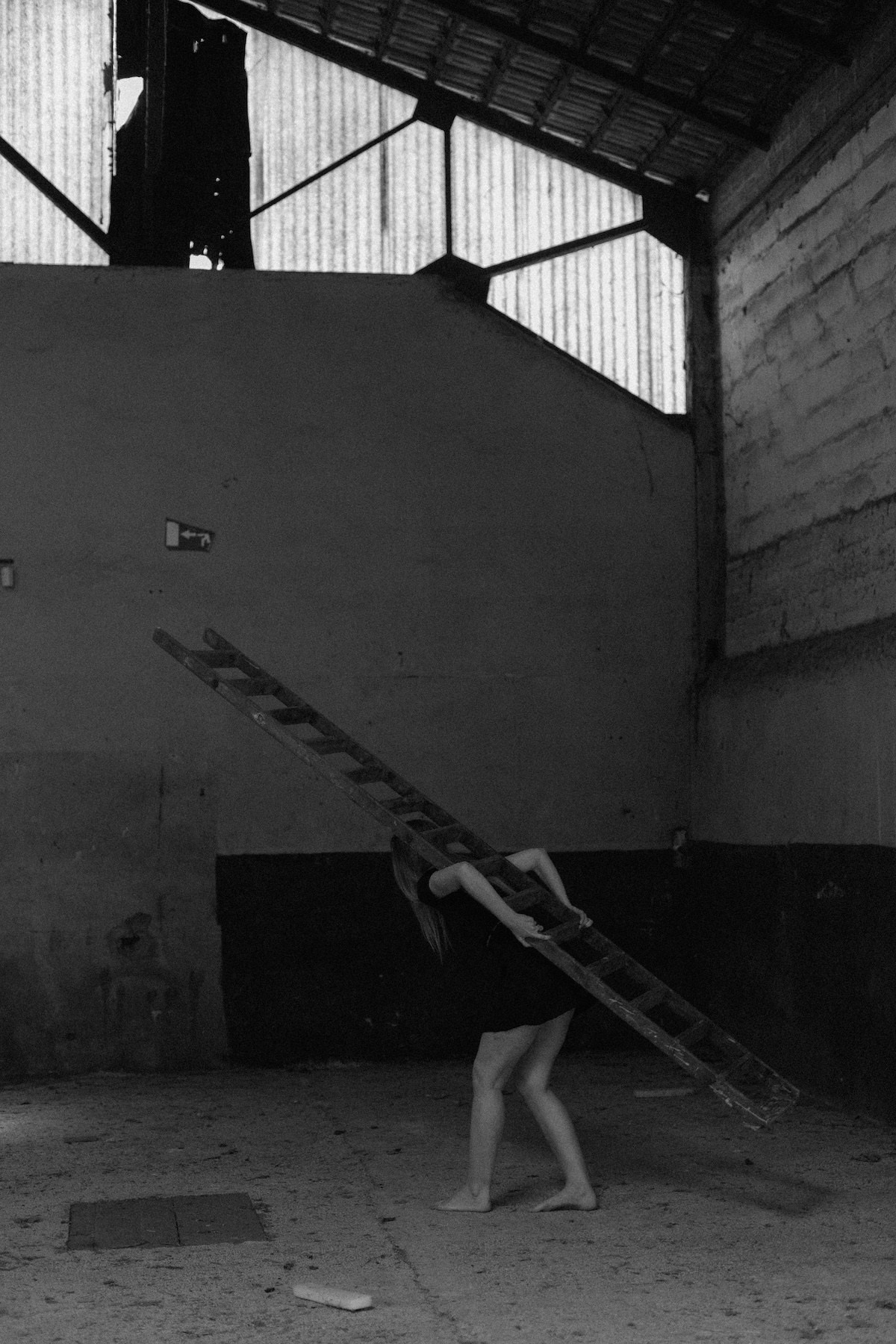
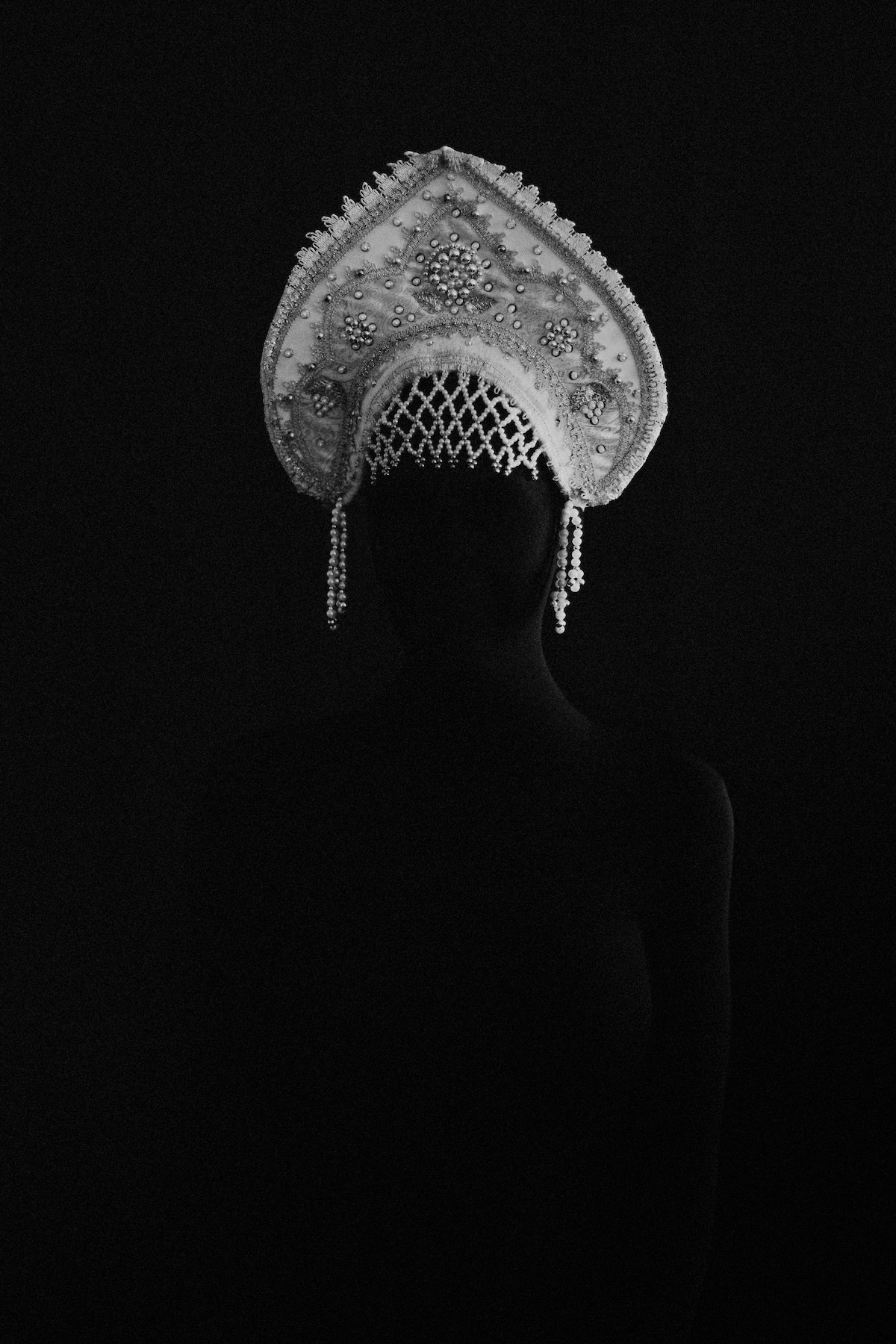
I was born in Russia in 1994. It was a turbulent period after the collapse of the USSR, known as the “wild nineties.” Though I was a child, the chaos of that decade left a deep imprint on me.
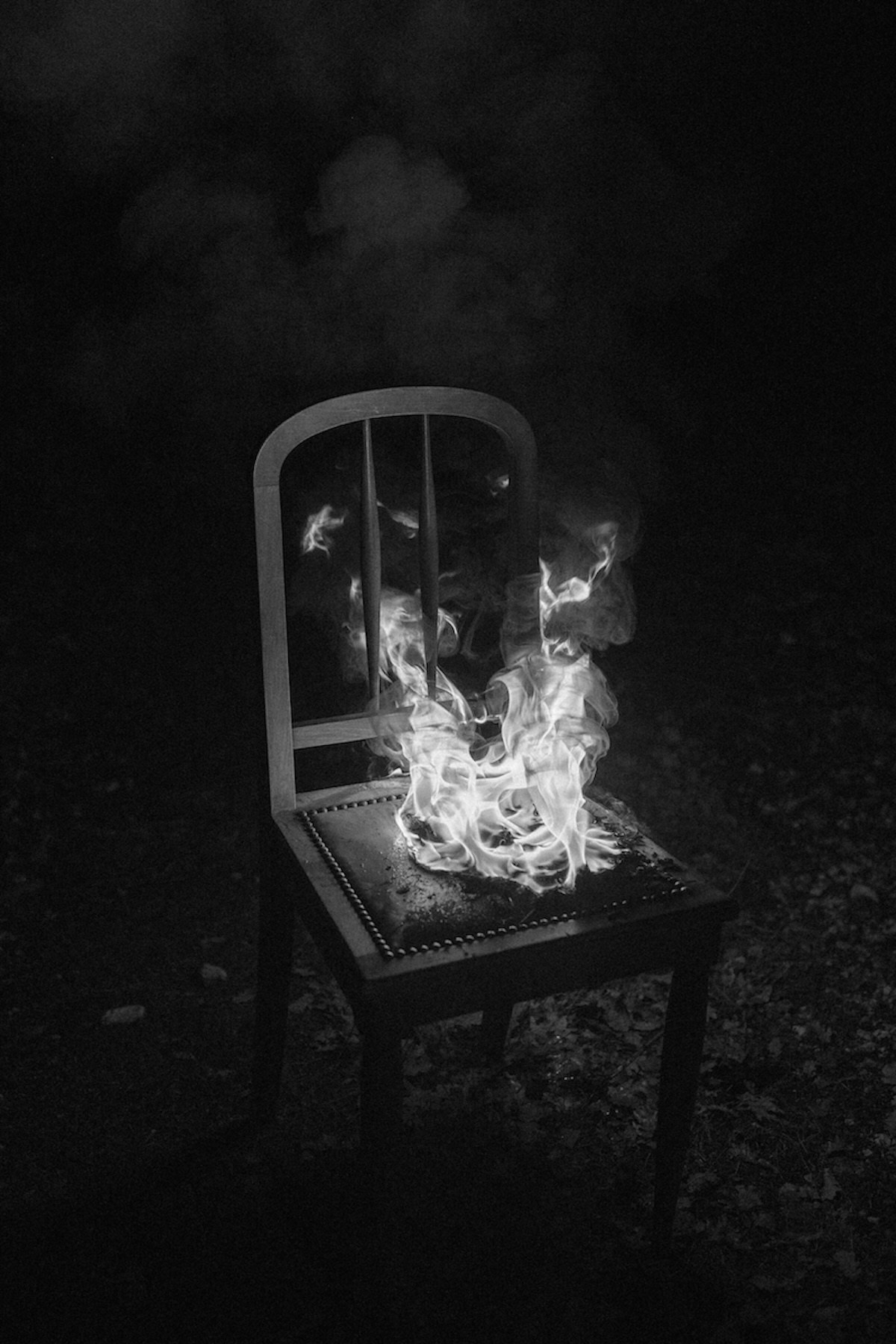
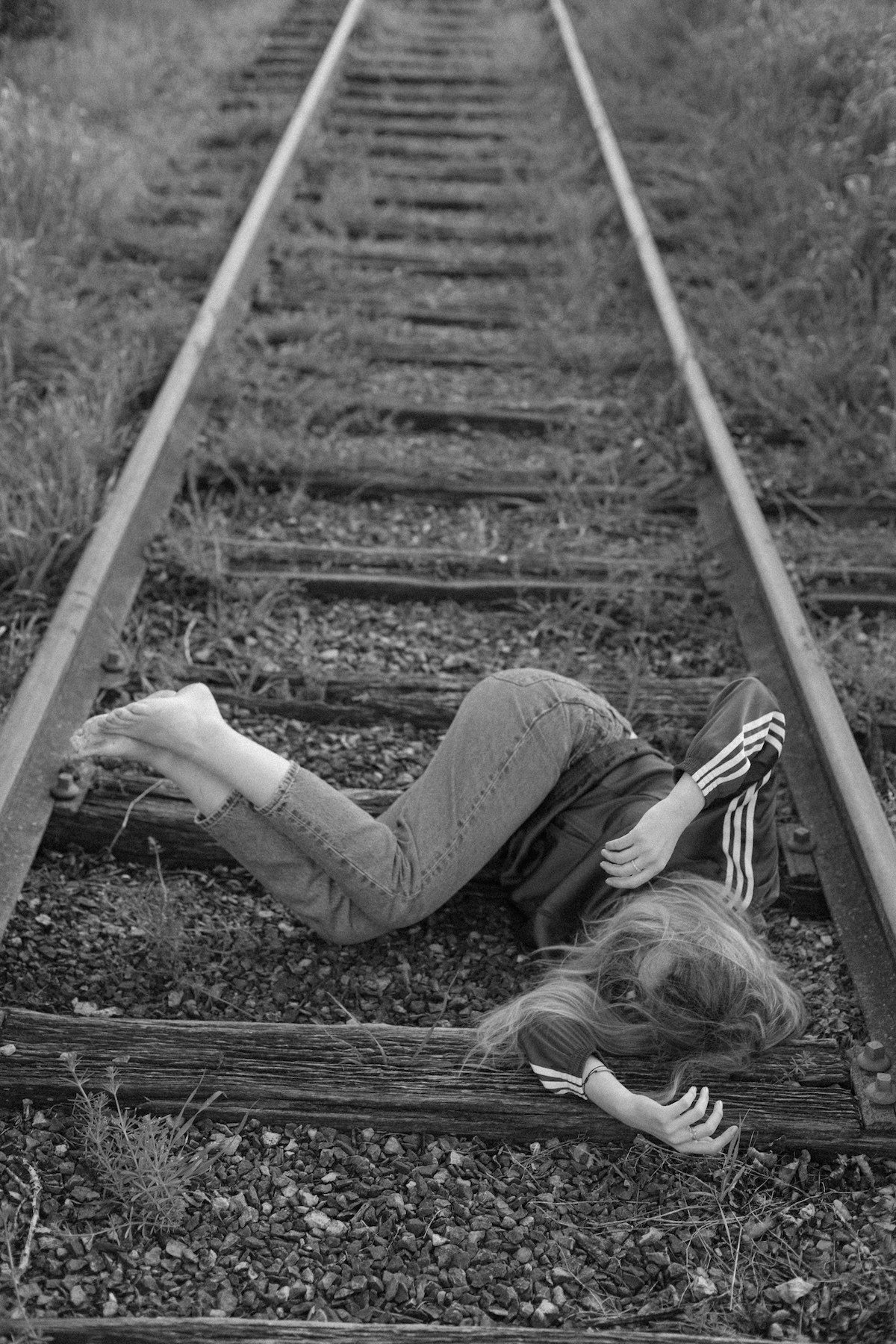
I remember well stepping over bodies of drug addicts sprawled in the stairwell. How syringes they used crunched underfoot during my walks near the house. The way grandma used to scare me with stories about rapists. How on New Year’s Eve, guys walked around with broken noses and spat blood. The unpredictability felt when seeing the chaotic trajectory of a car driven by drunks. The demonic symbols painted on the windows of the sectarians' apartment. How I hid in the corner when the doorbell rang because that’s how the scenes of murders and robberies began in the series. Crime shows ran nonstop on TV. For some, they fueled fears, for others — aggression.
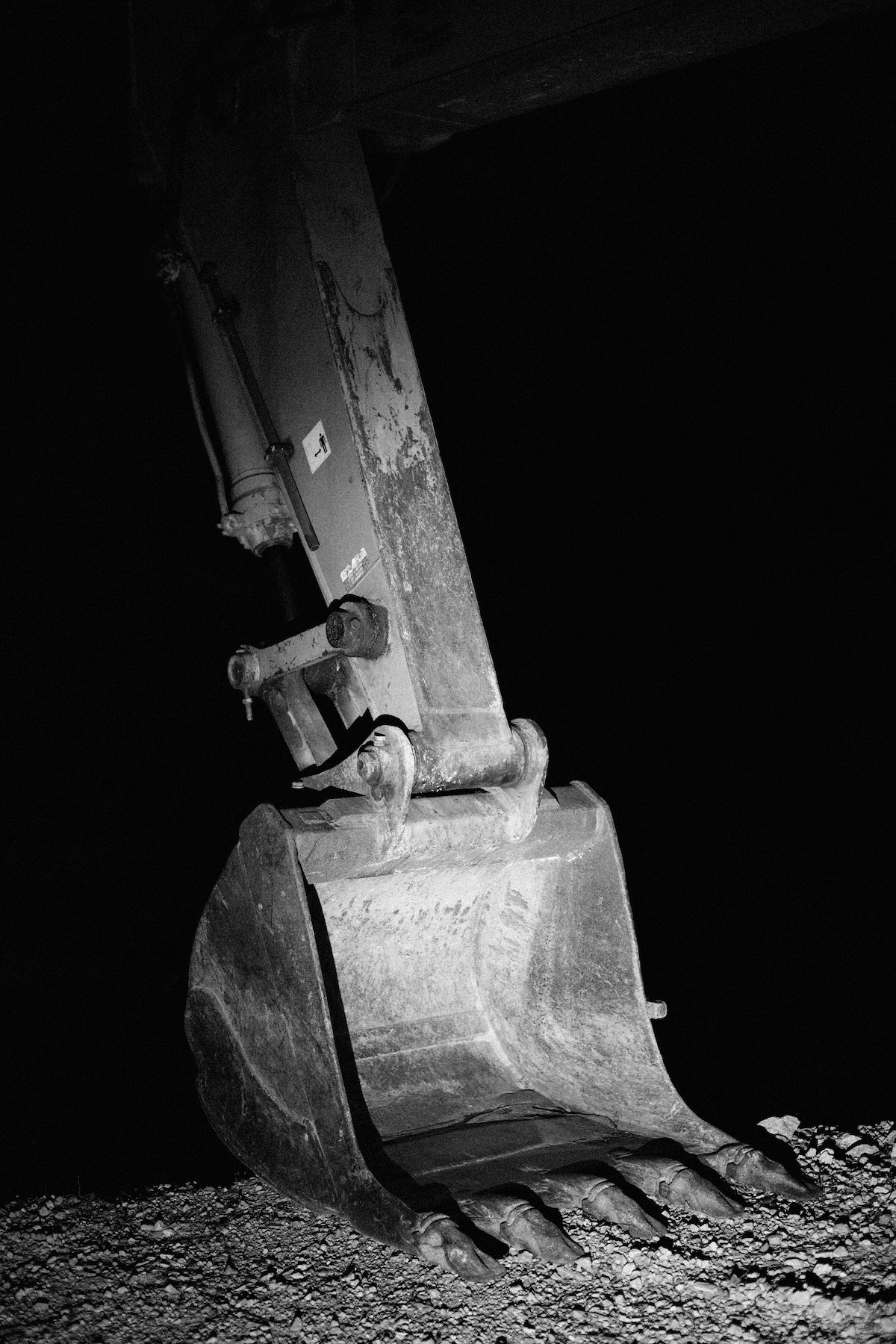
The pessimism, anxiety, and suspicion formed during the 90s became a part of my identity and still manifest in me. But what if, in fearing aggressors so obsessively, I unwittingly absorbed their traits? Studying my own blind spots, I dread stumbling upon a monster nurtured in the nineties. The greatest threat to me is not diving into the frightening memories of that time, but the risk of confronting a predator within myself.
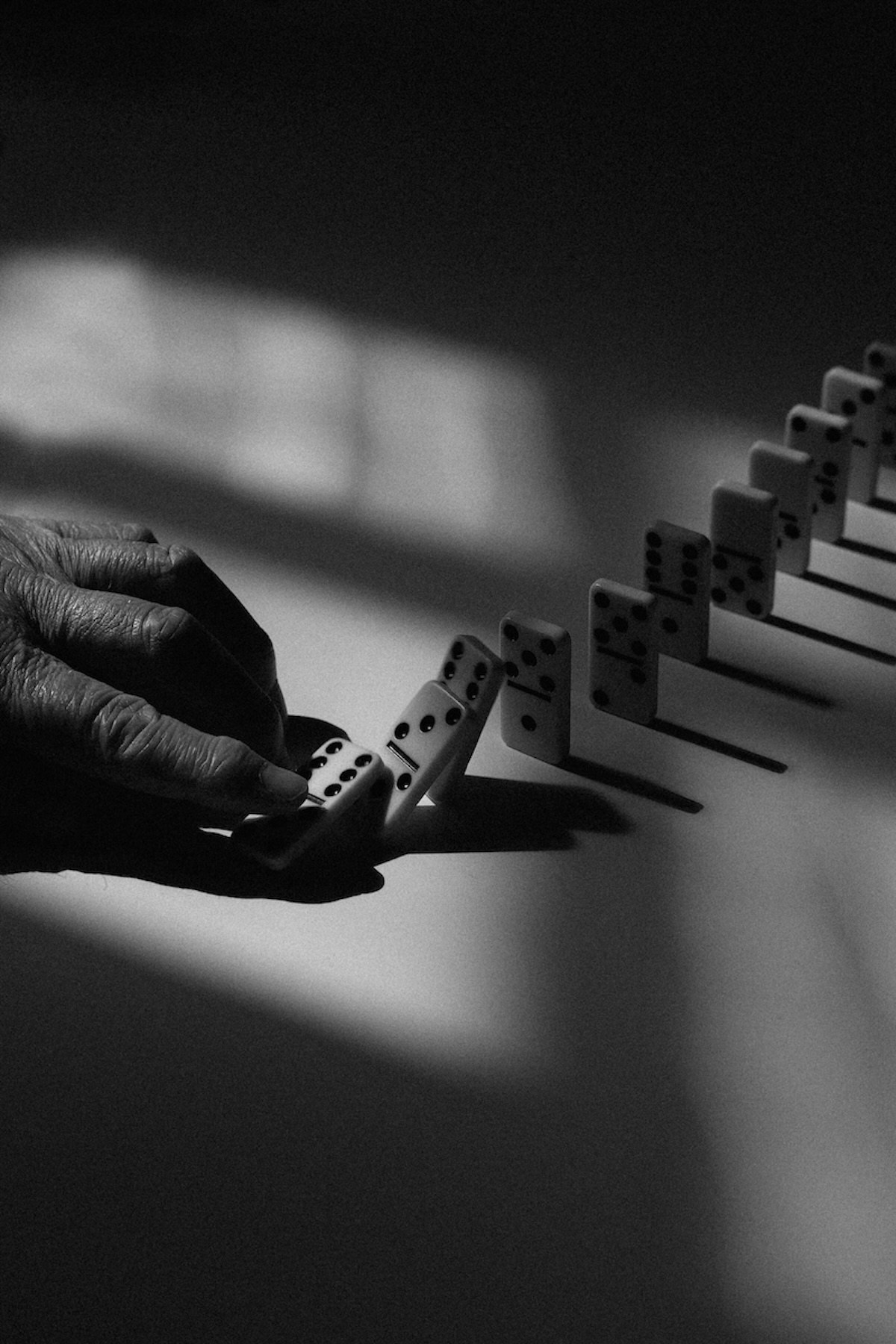
Trying to identify areas of uncertainty inside me, I come across the universal mechanism of unpredictability: the external environment influences us in ways that are impossible to foresee.